God Jesus Christian SVG: A Designer’s Review
When I first opened the God Jesus Christian SVG file, I was preparing a custom embroidered tote bag for a local church’s outreach program. The client wanted something dignified, clear, and impactful. Right away, the structured layout and reverent tone of the design caught my eye. It isn’t overly ornate, which is a huge advantage for machine embroidery. Overly complex faith-based graphics often lose detail in a small hoop. This one felt manageable, but I knew I had to think carefully about how it would translate from a vector graphic into a stitched, tangible product. Let me walk you through my real-world testing and professional evaluation of this design asset.
First Look and Visual Personality
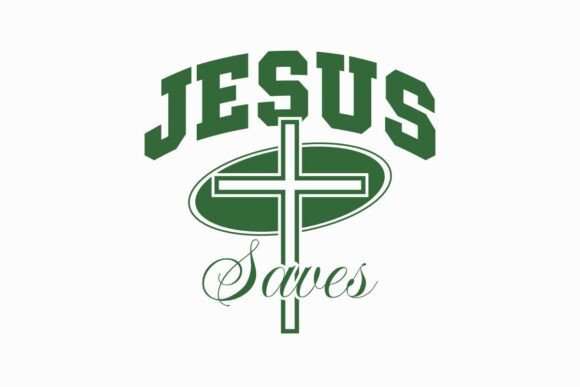
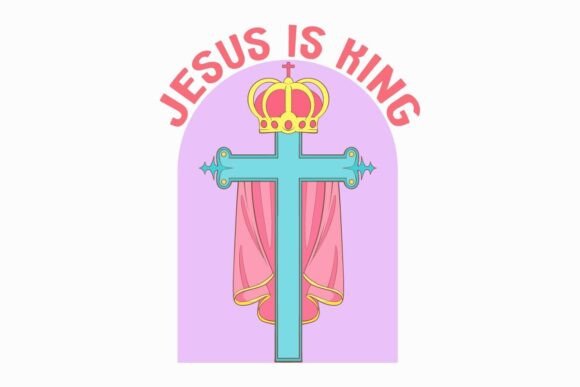
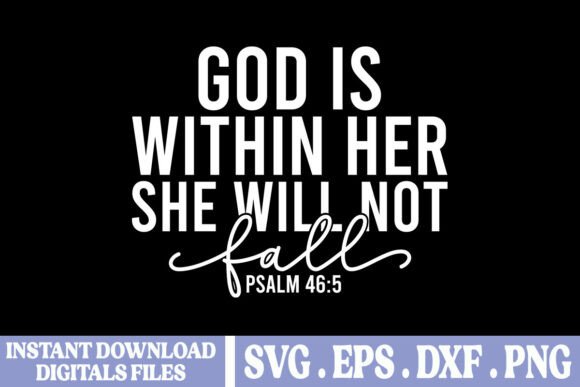
The God Jesus Christian SVG strikes a balance between traditional symbolism and clean, modern readability. The elements are well-composed, making it suitable for a wide range of products. As someone who regularly reviews design assets for their embroidery viability, I immediately look for thick enough lines to handle satin stitches and open spaces that won’t turn into a tangled mess of fill stitches. This design respects that boundary. It feels established and trustworthy, which is exactly the energy you want for a faith-based piece meant for custom apparel or personalized gifts. The mood is serious but not heavy, spiritual without being complicated. It invites a thoughtful approach to thread colors and placement.
Real World Tests: Sweatshirts, Tote Bags, and Baby Gifts
I decided to run the God Jesus Christian SVG through two very different test scenarios to evaluate its performance across the T-Shirt Designs category and beyond.
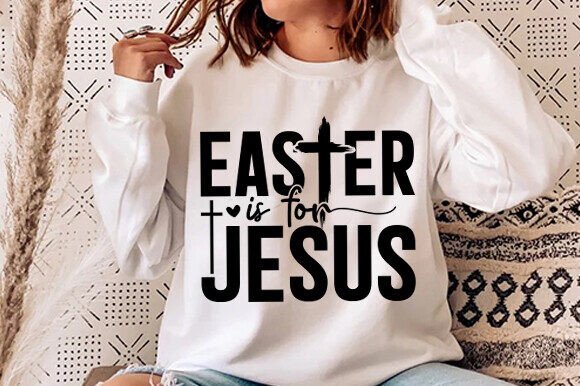
Scenario one was a high-end sweatshirt embroidery project. I loaded the SVG into my digitizing software with a goal of a chest-sized design. I assigned a dense tatami fill to the solid background elements and a crisp satin stitch to the lettering. The underlay was crucial here to prevent sinking on the heavyweight fleece. I also used a water-soluble topping to keep the stitches crisp. The result was a professional, boutique-quality finished product that felt substantial and commercial-grade. This is the kind of piece you could confidently sell at a craft fair or list on Etsy as a premium handmade product.
Scenario two was a delicate baby onesie for a baptism gift. This required a significant scale-down. I had to simplify some of the finer details within the SVG to ensure the stitch density didn’t make the fabric pucker. I used a lightweight tear-away stabilizer and reduced the density of the fill stitches. The design held up beautifully, remaining soft and readable. This shows the versatility of the underlying vector file. It can serve the T-Shirt Designs market just as well as the high-end personalized gift market. For Etsy sellers and small shop owners, this flexibility is a major time-saver. You aren’t locked into a single product type.
Technical Execution and Cautionary Notes
Every experienced designer knows that a beautiful vector doesn't always mean a beautiful embroidery. With the God Jesus Christian SVG, there are a few critical points to check before you start your embroidery project.
- Stitch density: If you are using a direct conversion tool, the default settings might produce an overly dense design. Always test on a scrap piece of fabric first. I recommend running a test stitch on muslin or a similar stable fabric to evaluate the fill and satin areas.
- Fabric texture: This design works wonderfully on stable wovens and knits. However, if you are applying it to high-texture fabrics like heavy terry, fleece, or thick sweatshirt material, be prepared to add a water-soluble topping to keep the stitches from disappearing into the nap.
- Small hoop sizes: If your goal is a 4x4 hoop project, such as a cap, a small patch, or a baby bib, you will need to carefully evaluate whether the text remains legible at that reduced size. I recommend printing a black and white mockup or testing the scaled-down version in your software. Fine details may need simplification.
- Color contrast: A gold, white, or bright thread on a dark navy, red, or black background makes the Christian symbolism pop beautifully. Avoid light-on-light combinations that wash out the design’s impact.
- Fabric stability: For stretchy fabrics like jersey knits, use a cut-away stabilizer to prevent the stitches from distorting over time. This is especially important for a design with solid fill areas.
It is also important to remember that this purchase is for the vector and raster files. You receive one SVG file, one EPS file, one PNG file, and one DXF file. These are quality files suitable for use with Cricut and Silhouette. If you are doing heat transfer vinyl or print-then-cut projects, you are set. For machine embroidery, you will need to import the SVG into your digitizing software to assign specific stitches. This is standard for Graphics-type purchases, but worth noting if you expected a stitch-ready PES or DST file.
Practical Designer Workflow for Commercial Embroidery
Here is my recommended workflow for turning this design asset into a profitable Etsy seller or small shop product. Whether you are making personalized gifts, boutique merchandise, or craft fair inventory, these steps will help you get consistent results.
- Import the SVG into your preferred embroidery digitizing software, such as Hatch, Embrilliance, or Wilcom. Check the vector paths for any overlapping nodes or unnecessary complexity.
- Assign stitches thoughtfully. Use satin stitches for the letters and thin outlines. Use a fill stitch like tatami for any large solid areas. Adjust the stitch angle to complement the design’s flow.
- Set underlay. A center walk underlay or edge run underlay will stabilize the satin stitches and prevent them from pulling the fabric, especially on textured garments.
- Simulate the sewing. Run a software simulation to check for pull compensation issues, density problems, and any areas where stitches might overlap too heavily.
- Test stitch on scrap fabric. Always run a physical test. I use muslin for initial tests, then move to the actual garment fabric. Check the thread color against both light and dark backgrounds.
- Inspect small details. If anything looks distorted in the test, adjust the density or pull compensation. This is especially important if you plan to sell the finished product.
- Confirm licensing. Before selling finished items or digital products, verify the commercial use rights included with your purchase. Respect the creator’s terms to avoid issues down the road.
Visual Appeal and Customer Perception
When a customer sees a finished product made from the God Jesus Christian SVG, they register a sense of quality and intentionality. The clean lines and balanced composition project professionalism. For a handmade product, that is invaluable. This design helps build customer trust because it looks like it belongs in a boutique, not a rushed DIY project. Whether you are embroidering it onto a structured twill apron, a heavy canvas tote bag, a cozy sweatshirt, or a decorative pillow cover, the visual clarity remains strong. It also gifts well. A personalized gift with this design feels meaningful and durable, not cheap or temporary.
Final Thoughts on This Design Asset
The God Jesus Christian SVG is a reliable, well-structured design for the faith-based market. It gives you a solid foundation without needing to spend hours creating custom vector art. Whether you are a small business owner creating inventory for a craft fair, an Etsy seller fulfilling a personalized gift order, or a hobbyist making projects for your local community, this design offers the clarity and dignity needed. Just remember to respect the limitations of your hoop size and fabric choice, test your thread color contrast, and always run a test stitch before committing to the final product. With thoughtful digitizing and solid stabilizer choices, it will elevate your commercial embroidery projects and handmade products.